Rolex, NBA Owners, and $15 Million Rounds. Padel Isn't Small Anymore.
The Pro Padel League just raised $15M from an NBA governor. Rolex and On signed padel's world number one. The sport's commercial boom is accelerating — here's the full picture.
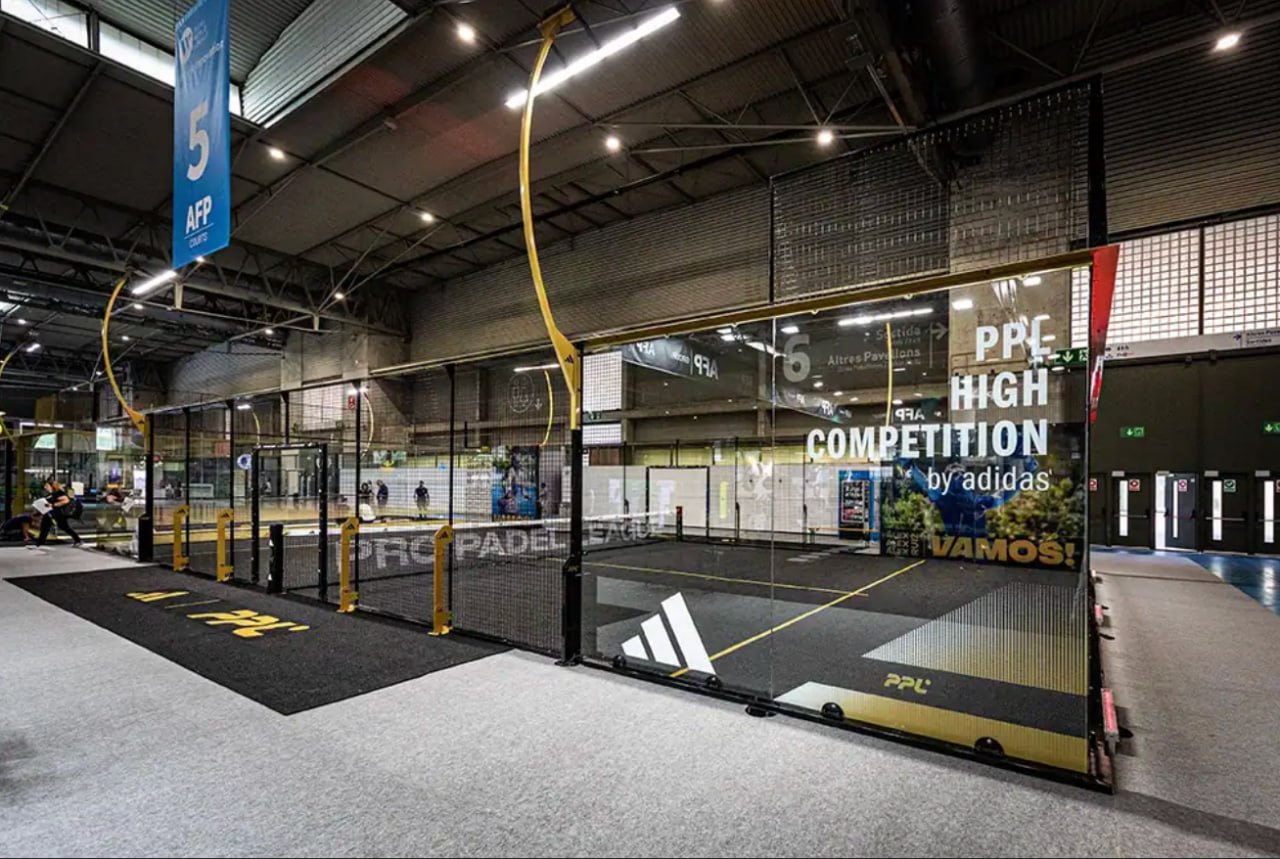
The Pro Padel League announced a $15 million Series A round yesterday, led by Charlotte Hornets co-chairman Rick Schnall, valuing the North American league at roughly ten times its $10 million seed from a year ago. An NBA governor betting eight figures on a sport most Americans still can't explain to their friends — and the kind of headline that would have been absurd in 2022.
PPL's fundraise is just the latest in a string of moves that paint a picture of a sport crossing from niche to mainstream faster than anyone predicted. Three years ago, the world's best padel players were earning less than a mid-table tennis pro. In January 2026, Arturo Coello — the 21-year-old world number one — signed with On, the Swiss sportswear brand built on running shoes and Roger Federer. A week later, Rolex added him to its athlete roster, making Coello the first padel player in the watchmaker's history to carry the crown. Two deals in eight days, both from brands that hadn't touched padel twelve months earlier.
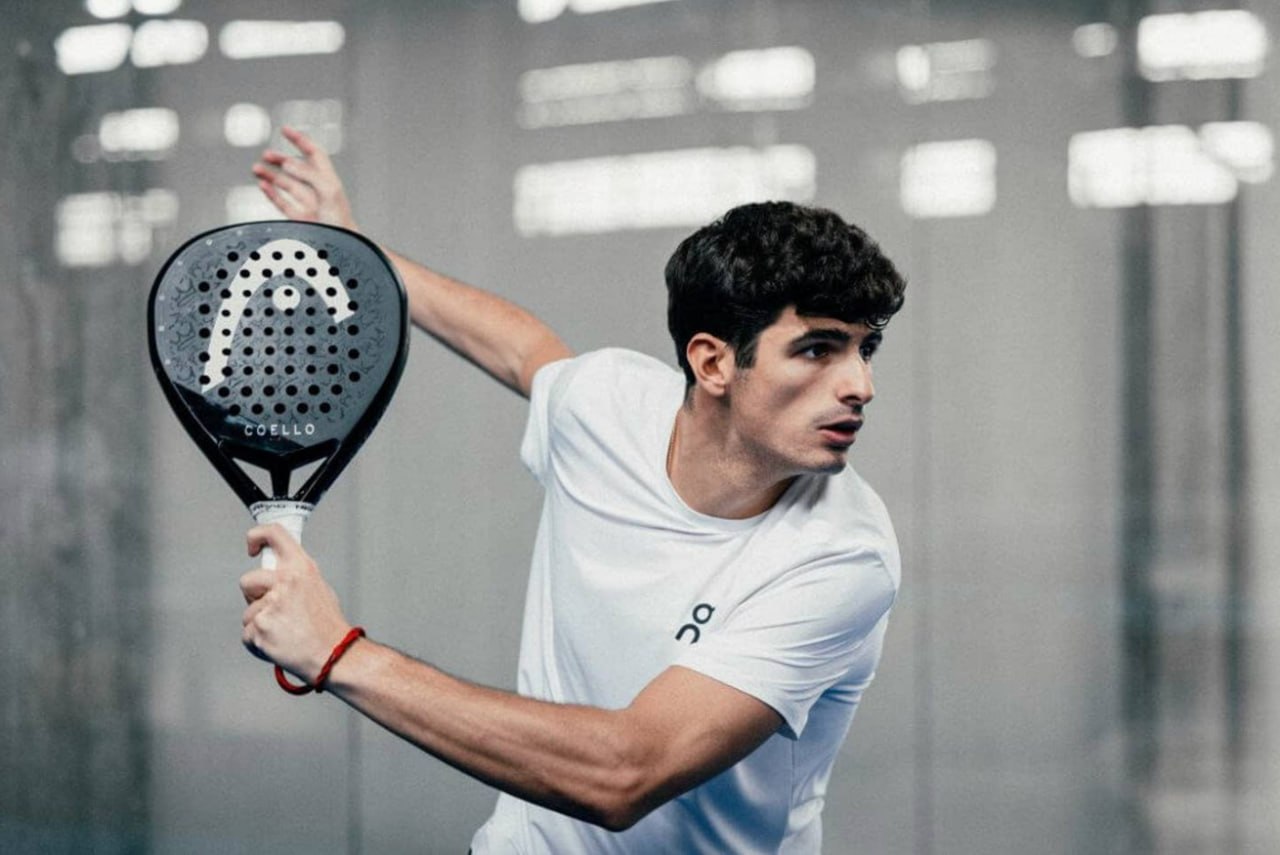
On isn't just putting its logo on Coello's shirt — the company is co-developing padel-specific footwear with him, working from its Swiss labs with input from the sport's top player. And Rolex, a brand that chooses its athletes with surgical precision — Federer, Tiger Woods, Carlos Alcaraz — doesn't attach its name to a sport unless the audience and commercial opportunity have crossed a threshold. That both brands moved within the same week says something about the pace.
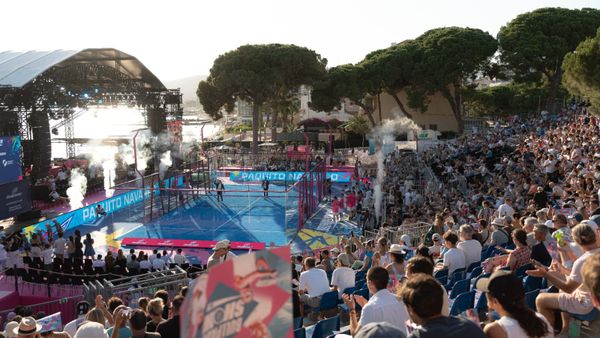
The tour-level picture tells the same story. Qatar Airways holds title sponsorship of Premier Padel. Red Bull TV broadcasts to 130 countries. Wilson, Bullpadel, Playtomic, Betsson, and NTT Data have all signed on — a mix of endemic padel brands and multinational corporates that would have been unthinkable three years ago, backing a season that now spans 26 tournaments across 18 countries.
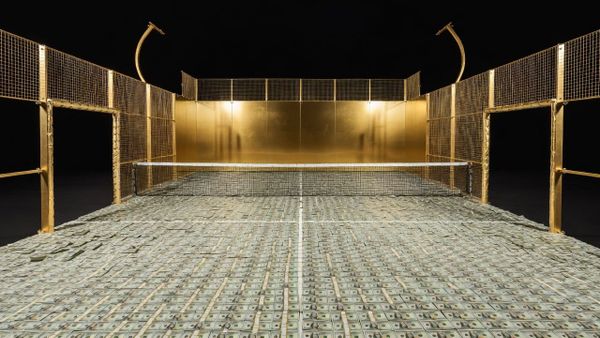
Coello and Tapia each earned €492,375 in prize money alone in 2024, winning 14 titles across 21 tournaments, with career earnings now exceeding €1.17 million each. Prize money has more than doubled since 2022, and when you add sponsorship income, appearance fees, and exhibitions, the top tier of men's padel is approaching the earning power of tennis players ranked outside the top 30. On the women's side, Gemma Triay and Delfina Brea dominate both the rankings and the commercial opportunities, though the gap between the top women's pairs and the rest of the field remains wider than in the men's game.
The market data underneath all of this supports the optimism. According to the Global Padel Report, the sport's total market value has tripled from €2 billion in 2022 to an estimated €6 billion in 2026, driven by over 35 million players worldwide. Padel clubs grew 22 percent globally in 2024, with the sharpest expansion in Southern Europe, while the US market — still in its infancy — is projected by Playtomic for "real acceleration" in 2027. Events like the Miami P1 and PPL's North American expansion are laying that groundwork now.
Even the equipment segment, worth €550 million in 2022, is being reshaped as traditional tennis brands (Wilson, Head, Babolat) compete with padel-native manufacturers (Bullpadel, Nox) for market share. Connected rackets and performance analytics are the next frontier — R&D investments that would have seemed absurd for a sport most Americans hadn't heard of five years ago.
Not everything is frictionless. Prize money still lags far behind tennis, and the earnings gap between the top four pairs and everyone else is stark. Player associations have pushed for better revenue sharing, and the rapid pace of pair changes — driven partly by the financial incentive to partner with higher-ranked players for better seedings — has raised questions about competitive stability. But when Swiss watchmakers, NBA governors, and global airlines are all moving in the same direction, they aren't chasing a trend. They're pricing in what comes next.